Understanding Metabolism: How Your Body Burns Energy
Last updated: July 9, 2026 · Reviewed by the BurnPeak editorial team
Published on January 5, 2026 • 6 min read
Metabolism is a term we often hear in discussions about weight loss and fitness, but what does it actually mean? At its core, metabolism is the set of chemical processes that occur within a living organism to maintain life. These processes allow you to grow, reproduce, maintain your structures, and respond to your environment.
The Components of Metabolic Rate
Your Total Daily Energy Expenditure (TDEE) is made up of several components:
- Basal Metabolic Rate (BMR): The energy your body needs to function at rest (breathing, circulating blood, etc.). This accounts for about 60-75% of your daily calorie burn.
- Thermic Effect of Food (TEF): The energy used to digest, absorb, and process nutrients.
- Physical Activity: Energy burned during exercise and non-exercise movement (NEAT).
Factors That Influence Metabolism
While genetics play a role, several other factors influence how fast or slow your metabolism functions:
Muscle Mass: Muscle tissue is more metabolically active than fat tissue. The more muscle you have, the higher your BMR.
Age: Metabolism tends to slow down as we age, partly due to a natural loss of muscle mass.
Hormones: Thyroid hormones and others play a crucial role in regulating metabolic speed.
How to Support Your Metabolism Naturally
While you can't change your genetics, you can take steps to support a healthy metabolic rate:
- Stay Hydrated: Water is necessary for metabolic processes.
- Prioritize Protein: Protein has a higher thermic effect than fats or carbs.
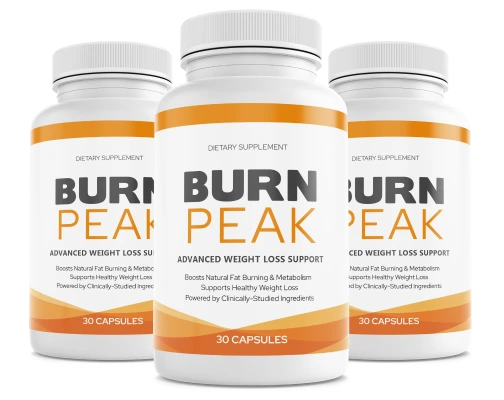
- Consider Targeted Support: Natural formulas like Burnpeak™ are designed to complement your body's natural energy-burning processes.
The Burnpeak™ Connection
Burnpeak™ uses a blend of ingredients inspired by metabolic research to help you maintain energy balance and support your wellness goals. Learn more about the formula here.
Understanding your metabolism is the first step toward making informed decisions about your health. By focusing on muscle maintenance, proper nutrition, and consistent support, you can help your body function at its best.